Energy Guide
How to Pick an Energy Drink That Actually Works for You
Caffeine numbers, sugar versus zero sugar, carbonation, timing and the ingredients worth reading on the label. A straight-talking guide to finding your can.
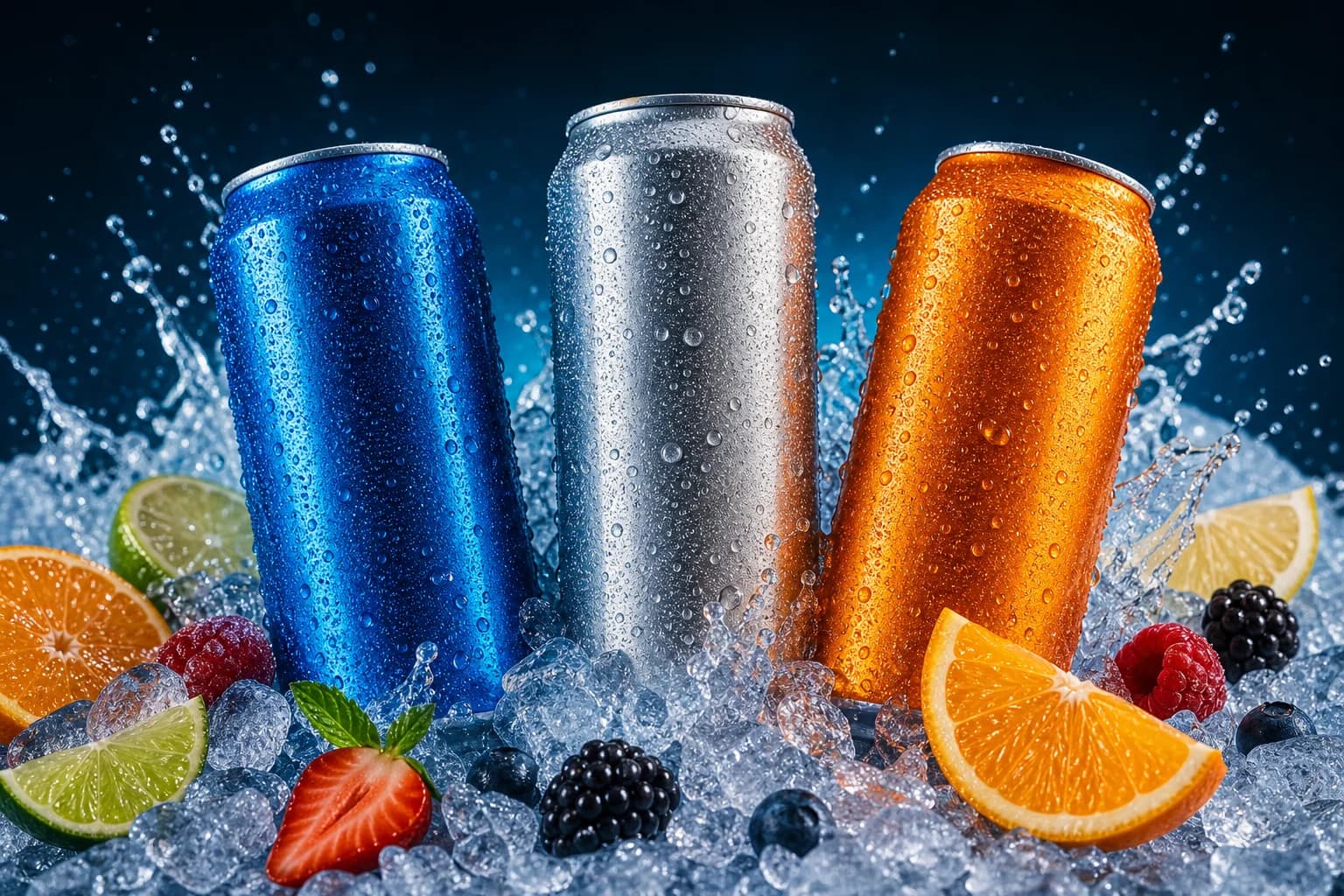
Walk down the energy aisle and you will see forty cans that all promise the same thing in different colours. The truth is that the differences between them are real, they are printed on the label, and once you know what four numbers mean you can pick the right can in about ten seconds.
This guide is how we would explain it to a friend standing in front of the cooler with no idea where to start.
1. Start with the caffeine number
Caffeine content is the single biggest variable between cans, and the range is wider than most people expect. Broadly, energy drinks land in three bands.
- Light, roughly 80 to 110 mg per can. Comparable to a standard cup of coffee. Good for an afternoon lift, good for anyone who is sensitive, good for drinking mid-week without thinking about it.
- Standard, roughly 140 to 200 mg. The mainstream tier. Noticeable, sustained, and what most people mean when they say energy drink.
- High, 250 mg and up, usually in larger cans. Built for long sessions and heavy training days. Not a casual sipper, and not the one to start on.
Widely used food safety guidance puts a moderate daily ceiling for healthy adults at around 400 mg of caffeine from all sources. Note the words all sources. Your morning coffee, the tea at lunch and the chocolate on your desk all count toward the same total. If you are pregnant, taking medication, or managing a heart condition, talk to a healthcare professional rather than a snack shop. Energy drinks are not intended for children.
Read per can, not per serving
Some larger cans list nutrition for two servings. If the label says 160 mg per serving and the can holds two, that can is 320 mg. This is the single most common misreading in the entire category.
2. Decide on sugar before flavour
A full-sugar energy drink typically carries somewhere between 25 and 55 grams of sugar. That sugar does real work: it hits fast, it tastes rich, and it is genuinely useful when you are burning through a long physical day. It is also what people are describing when they talk about a crash, because a fast sugar rise tends to be followed by a fast fall while the caffeine is still working.
Zero sugar versions use sweeteners instead. The lift is flatter and cleaner, the finish is lighter, and there is no sugar dip to ride out. Many people find zero sugar better for desk work and full sugar better for physical work. Neither is the correct answer. Pick the one that matches what you are about to do.
3. Learn the four ingredients that matter
Ingredient lists on energy cans look intimidating, but the same handful of names appear again and again.
- Taurine. An amino acid found naturally in the body and in food. It is in almost every energy drink and it is one of the reasons the category tastes the way it does.
- B vitamins, usually B3, B6 and B12. Involved in how the body turns food into usable energy. They are not stimulants on their own.
- Amino acids such as L-theanine. Increasingly common in newer cans, usually paired with caffeine because people report a smoother, less jittery feel.
- Plant extracts such as guarana or green tea. These carry their own caffeine, which is sometimes counted separately from the caffeine line. Check the total.
4. Match carbonation and temperature to the moment
This sounds cosmetic. It is not. Heavily carbonated cans feel sharp and bracing, which is great as a reset and rough if you are drinking one during exercise. Lightly carbonated or still options go down easier over a longer period.
Temperature matters more than almost anyone admits. A properly cold can tastes cleaner, hides sweetness better, and is genuinely more refreshing. A lukewarm energy drink tastes twice as sugary as the same can chilled. Keep them cold and you will enjoy a wider range of flavours.
5. Get the timing right
Caffeine takes roughly 30 to 45 minutes to reach peak effect, and its half life sits somewhere around five to six hours for most adults. Two practical consequences follow.
- 1Drink it before you need it, not once you are already flagging. Thirty minutes ahead of a workout, a drive or a deep work block is the sweet spot.
- 2Set yourself a cut-off. If you go to bed at eleven, a strong can after five in the afternoon is still working when your head hits the pillow. Poor sleep then creates the tiredness the next can is meant to fix.
The best energy drink is the one that matches the next three hours of your life, not the one with the loudest can.
Quick picks by situation
Early gym session
Standard caffeine, low or zero sugar, lighter carbonation. Drink it about half an hour before you start and take water with you.
Long drive
Light to standard caffeine, cold, ideally a flavour you find refreshing rather than rich. Pair it with a salty snack rather than a sweet one so you are not stacking sugar on sugar.
Afternoon desk slump
Light caffeine, zero sugar. You want to clear the fog, not launch into orbit at three in the afternoon.
Gaming or study marathon
Standard caffeine, zero sugar, and a can you actually like the taste of because you are going to be sipping it for a while. Alternate with water. Set a hard cut-off time.
Three habits that make any can work better
- Drink water alongside it. Caffeine and dehydration produce very similar unpleasant feelings, and people routinely blame the can for the second one.
- Do not stack it on an empty stomach. A small snack with some protein or fat smooths the whole experience out.
- Rotate. Tolerance builds quietly. Taking a couple of days off each week keeps the effect noticeable.
Read the caffeine number per can, decide on sugar before flavour, keep it properly cold and drink it thirty minutes early. That is the entire method. Everything else is personal taste, and personal taste is the fun part.
A note on the boring stuff
This article is general information about a product category, not health or medical advice. Energy drinks are not suitable for children, and are not recommended during pregnancy or breastfeeding. If you have any health condition, check with a professional first.
Put it into practice
Candy, chocolate, snacks and ice-cold energy, all in one place. Free shipping over $99.
Shop the drop